
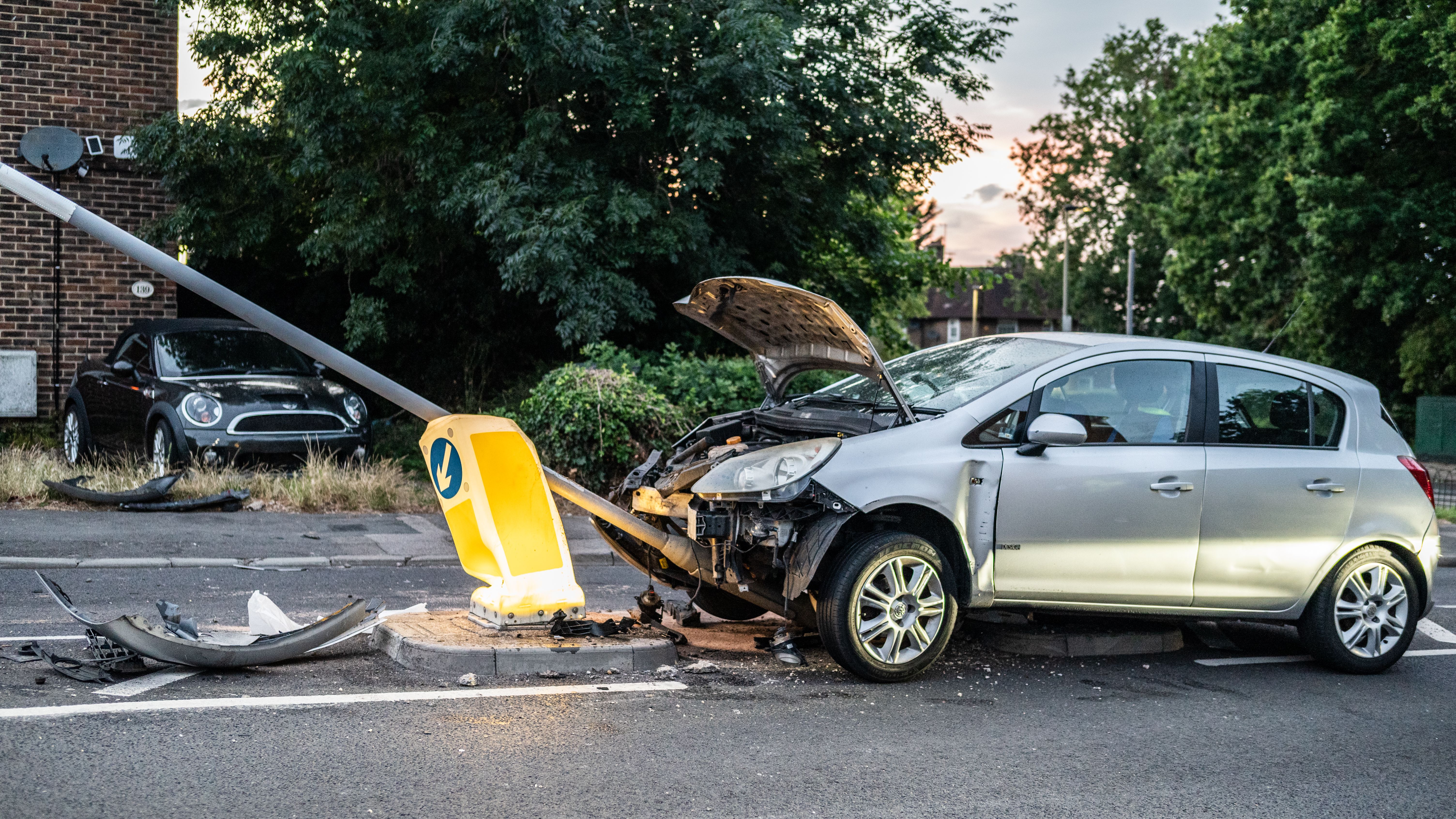
For most drivers, the sequence after a shunt is familiar. A call to the insurer, a claim reference, a rough timescale, and the name of a bodyshop that has already been booked on their behalf. What is mentioned far less often is that the choice of repairer usually belongs to the policyholder rather than the insurer.
Approved repair networks exist for reasons that are easy to understand. Insurers negotiate fixed rates with the garages they work with, audit their standards and manage capacity nationally. It keeps claim costs predictable and often gets vehicles booked in quickly. Drivers are not obliged to use it, though. Policy wording can attach conditions to going elsewhere, such as a higher excess or a courtesy car that is only guaranteed inside the network, so the small print is worth reading before a decision rather than after.
The picture changes again in a non-fault claim. Where another motorist is liable, their insurer is responsible for putting the vehicle back to the condition it was in beforehand, and the innocent party’s own policy may barely come into it. That is the scenario in which drivers have the most say over who does the work, and the one in which they are most often steered without being told a choice exists.
So what separates a competent repair from a poor one? Accreditation to BS 10125, the British Standard for vehicle body repair, is the usual baseline, alongside manufacturer approvals for particular marques. Beyond that, ask about genuine or matched parts, the paint system in use, the length of the written guarantee and whether a replacement vehicle is available. Asking to see recent examples of finished work costs nothing.
Paperwork is the other half of the job, and it is where claims tend to stall. Accident claim management firms take on the correspondence with insurers, engineers and hire companies on the driver’s behalf. Some are excellent. Others operate credit hire agreements that can leave the customer personally liable for charges if the claim against the other party fails. Anything presented as free deserves a second read, particularly the part describing what happens when liability is disputed.
Repair itself has become more technical than most owners realize. Cameras behind the windscreen, radar units in bumpers and sensors in wing mirrors feed driver assistance systems that need recalibrating afterwards, and a car that looks straight can still misread a lane marking. Aluminium panels, bonded structures and high voltage drivetrains each call for their own equipment and training, which is why expert vehicle repairs now depend on diagnostics as much as panel work. It is a fair argument for choosing a shop on capability rather than proximity.
At the roadside, the advice has not changed much. Exchange details, photograph the damage and the position of both vehicles, note any witnesses and download dashcam footage before it loops. Most policies require an accident to be reported even when no claim follows, and a late notification can complicate things later.
None of this makes approved networks the wrong option. Plenty of drivers use them and get a clean, quick repair at no cost to themselves. The point is simply that it should be a decision taken with the policy in front of you, not a default accepted in the first ten minutes of a stressful phone call.